The New Concept Da’wah Islam Study Cases: Rasulullah SAW Gallery on Al-Jabbar Grand Mosque
Abstract
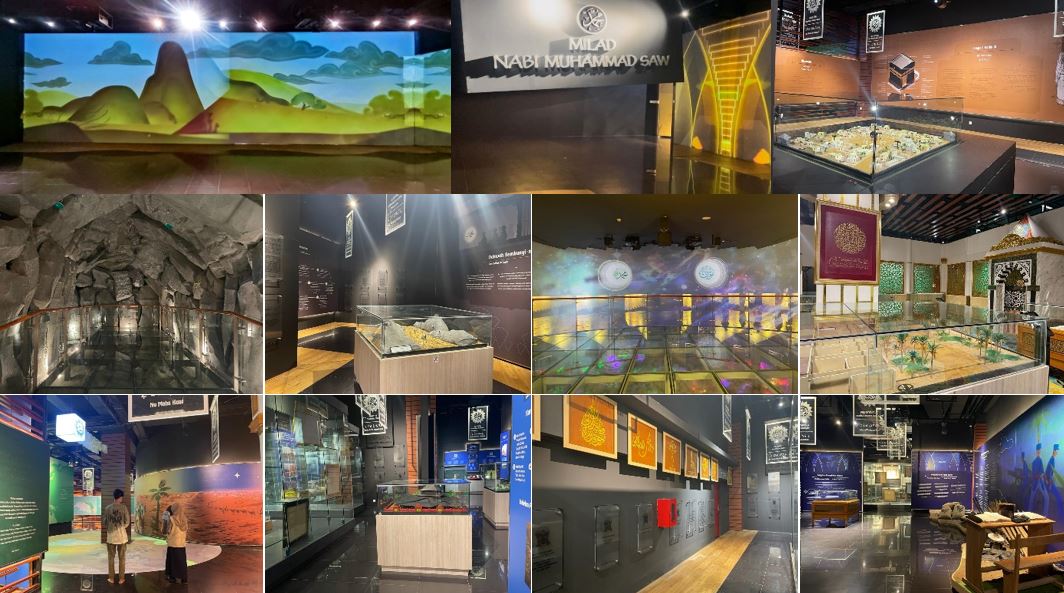
Islamic da’wah is an invitation disseminated in a peaceful way without violence. Thats why, to communicate the da’wah may needs gentleness, approach, and strictly prohibited in forcing. Along with the development of the times, it is necessary to develop methods and strategies in preaching. Sources of da'wah methods include the Al-Quran, the Sunnah of the Prophet, the life history of the Companions, and the jurists and experience. The problem of the da'wah methodology faced by today's society is the very rapid development of technology. In Bandung Regency, West Java, there is a new gallery called the Rasulullah SAW Gallery. This gallery is the first gallery in Indonesia that presents Islamic content with interactive technology nuances. This technology is used as a medium of communication in preaching in the hope of attracting interest and increasing public knowledge about the history of the journey of Islamic preaching by the Prophet Muhammad to the archipelago, especially West Java. One of the objectives of the Rasulullah SAW Gallery is to become a media of da'wah, of course there is an update of the da'wah method used. This study uses a qualitative descriptive method with data collection through observation, interviews, questionnaires, and literature studies. The data obtained comes from factual conditions in the field when conducting research, so the data obtained will be analyzed and data checked with related literature. The results of this study are expected to be able to find the application of the new concept of da'wah that is most memorable to the community.
References
Bagus, I., & Mahendra, M. (2016). Implementasi Augmented Reality (AR) Menggunakan Unity 3D dan Vuporia SDK. Jurnal Ilmiah Ilmu Komputer Universitas Udayana, 9(1).
Dewi, N. K., Irawan, B. H., Fitry, E., & Putra, A. S. (2021). Konsep Aplikasi E-Dakwah Untuk Generasi Milenial Jakarta. IKRA-ITH Informatika: Jurnal Komputer dan Informatika, 5(2), 26-33.
Fakhruroji, M. (2010). Dakwah Islam dan Inovasi Media: Peluang dan Ancaman Media Global Atas Dakwah Islam. Komunika: Jurnal Dakwah dan Komunikasi, 4(1), 121-129.
Ferdiansyah, D. S. (2020). Pemanfaatan Teknologi Informasi Dalam Kegiatan Dakwah Terhadap Transformasi Sosial Di Desa Montong Gamang Kecamatan Kopang Kabupaten Lombok Tengah-Ntb. KOMUNIKE: Jurnal Komunikasi Penyiaran Islam, 12(1), 114-121.
Fikri, M., & Rivai, M. (2020). Sistem Penghindar Halangan Dengan Metode LIDAR Pada Unmanned Surface Vehicle. Jurnal Teknik ITS, 8(2), A127-A132.
Fikri, M., & Rivai, M. (2020). Sistem Penghindar Halangan Dengan Metode LIDAR Pada Unmanned Surface Vehicle. Jurnal Teknik ITS, 8(2), A127-A132.
Hasanah, H. (2017). Teknik-teknik observasi (sebuah alternatif metode pengumpulan data kualitatif ilmu-ilmu sosial). At-Taqaddum, 8(1), 21-46.
Karim, A. (2016). Dakwah melalui media: Sebuah tantangan dan peluang. At-Tabsyir: Jurnal Komunikasi Penyiaran Islam, 4(1).
Khasanah, N. L. (2019). Metode Dakwah Transformatif Melalui Living Tilawatil Quran. An-Nida: Jurnal Komunikasi Islam, 11(2).
KHASIYATI, K. (2021). Pelaksanaan Dakwah dalam Meningkatkan Sosial Keagamaan pada Pengurus Anak Cabang Muslimat Nahdhatul Ulama (NU (Belitang Madang Raya Provinsi Sumatera Selatan (Doctoral dissertation, UIN Raden Intan Lampung).
Lukman, L. (2019). Pengembangan Masyarakat Sebagai Konsep Dakwah. Jurnal Bina Ummat: Membina dan Membentengi Ummat, 2(02), 21-44.
Muh Said, N. (2013). Metode Penelitian Dakwah.
Munawarzaman, A. (2018). Pengaruh teknologi terhadap manajemen dakwah. Jurnal manajemen dakwan, 4(1), 101-111.
Okpizal, Y. (2022). Pengembangan Multimedia Pembelajaran Berbasis Flash pada Materi Sepak Bola Kelas Viiia SMP Negeri 22 Tanjung Jabung Timur. Jurnal manajemen pendidikan dan ilmu sosial, 3(2), 953-960.
Pardianto. (2015). Dakwah Multikultural (Studi Alternatif Dakwah di Era Globalisasi).
Purwanto, Y., Taufik, M., & Jatnika, A. W. (2017). Peran teknologi informasi dalam perkembangan dakwah mahasiswa. Jurnal Sosioteknologi, 16(1), 94-109.
Rahmawati, R. F. (2016). Kaderisasi dakwah melalui lembaga pendidikan Islam. Tadbir: Jurnal Manajemen Dakwah, 1(1).
Rajab, M. (2014). Dakwah dan tantangannya dalam media teknologi komunikasi. Jurnal Dakwah Tabligh, 15(1), 69-90.
Rais, A. R. D. (2020). Analisis Kesalahan Berbahasa Mahasiswa IKIP Siliwangi Dalam Literasi Media. Parole: Jurnal Pendidikan Bahasa dan Sastra Indonesia, 3(3), 505-514.
Rosana, A. S. (2010). Kemajuan Teknologi Informasi dan Komunikasi dalam Industri Media di Indonesia. Gema Eksos, 5(2), 218225.
Sari, A. P. K., Novian, D., & Takdir, R. (2022). Multimedia Interaktif Untuk Meningkatkan Motivasi Belajar Siswa Pada Mata Pelajaran Geografi. Inverted: Journal of Information Technology Education, 2(1), 13-25.
Syeikh, A. K. (2015). Pola dakwah dalam era informasi. Jurnal Al-Bayan: Media Kajian Dan Pengembangan Ilmu Dakwah, 21(1).
Zaini, A. (2016). Peranan Dakwah dalam Pengembangan Masyarakat Islam. Community Development, 1(1), 141-142.
Zulkarnaini, Z. (2015). Dakwah Islam di Era Modern. Jurnal Dakwah Risalah, 26(3), 151-158.

This work is licensed under a Creative Commons Attribution-ShareAlike 4.0 International License.
Copyright
- The Author and each co-authors transfer the copyright and grant the journal right of publication with the work simultaneously licensed under an International Creative Commons Attribution and ShareAlike 4.0 License that allows others to share the work with an acknowledgement of the work's authorship and initial publication in this journal.
- Authors are able to enter into separate, additional contractual arrangements for the non-exclusive distribution of the journal's published version of the work (e.g., post it to an institutional repository or publish it in a book), with an acknowledgement of its initial publication in this journal.
- Authors should sign copyright transfer agreement when they have approved the final proofs sent by ISLAMIC RESEARCH prior the publication.
Author Guarantee
- The Author (Co-authors) guarantees that the Materials are an original work, submitted only to ISLAMIC RESEARCH, and have not been published previously.
- In case the Materials were written jointly with Co-authors, the Author guarantees that he/she has informed them of the terms of this Agreement and obtained their signatures or written permission to singe on their behalf.
- The Author guarantees as well that:
- The Materials do not contain libelous statements.
- The Materials do not infringe on other persons' rights (including without limitation copyrights, patent rights and the trademark right).
- The Materials do not contain facts or instructions that can cause damage or injury to third parties and their publication dose not cause the disclosure of any secret or confidential information
ISLAMIC RESEARCH is Published by Perhimpunan Intelektual Muslim Indonesia, and licensed under a Creative Commons Attribution-ShareAlike 4.0 International License.
Copyright ©2022.