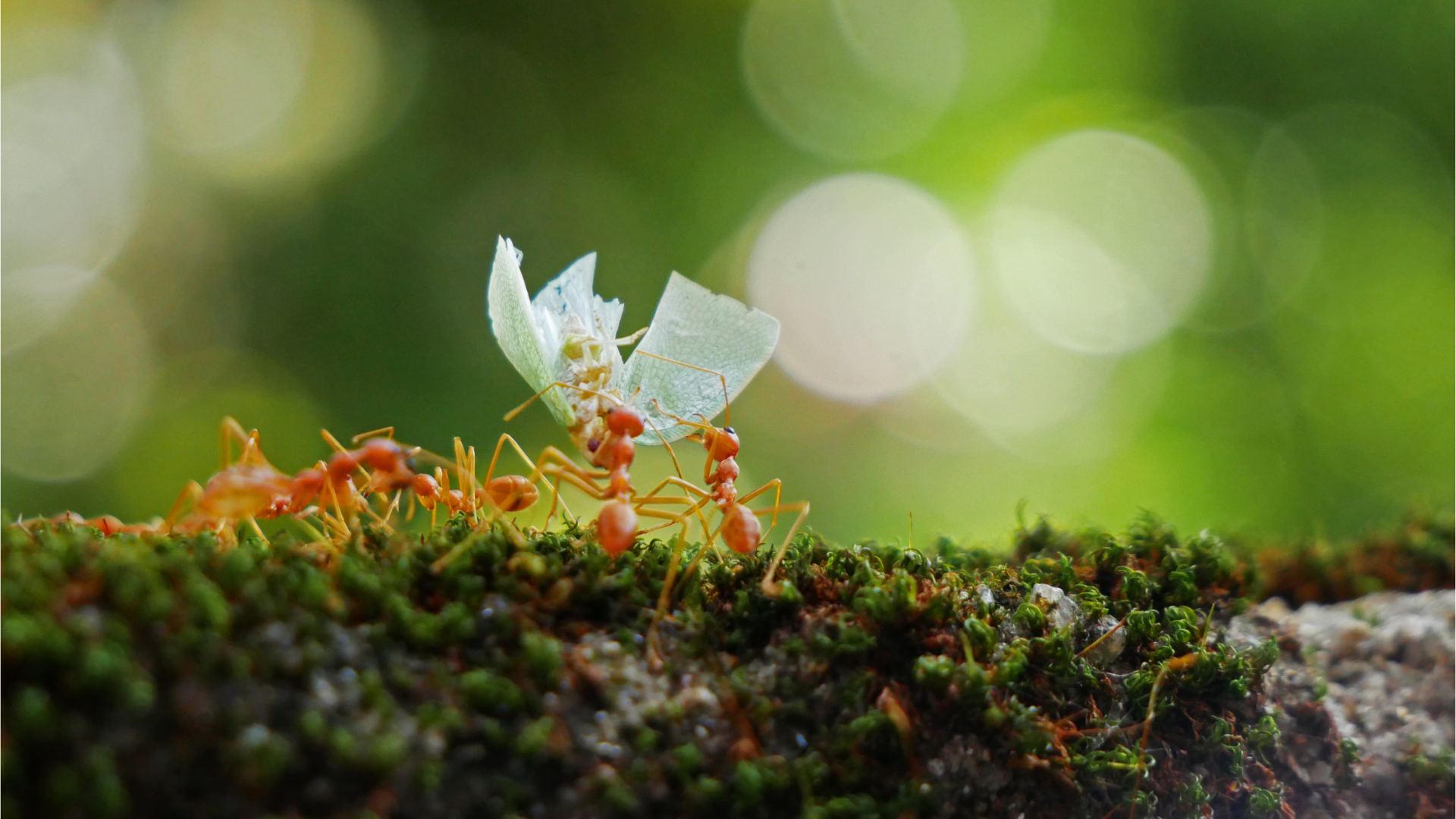
Stimulating Children in Enhancing Spirituality through the Exemplary Story of Ants
Abstract
It is important for Early Childhood to be stimulated by providing support in practising activities directly carried out by children in order to make it a religious experience. The purpose of stimulating Early Childhood is to increase Spirituality through the example of teachers and meaningful interactions about the beauty of diversity through exemplary stories. This research was conducted at Nurul Aulia Kindergarten Depok with a qualitative descriptive research method with a case study approach. The results of the study show that through the story of the example of ants and interactive dialogue, it is known that the implications of stories about theexample of ants in Early Childhood are very effective in building spiritual character and have an impact on the attitudes and behavior of children who have love for their religion, are able to identify problems and find solutions.
References
Astuti, A. F., & Herwina, H. (2014). Jenis-Jenis Semut (Hymenoptera: Formicidae) di Bangunan Kampus Universitas Andalas Limau Manis Padang. Jurnal Biologi UNAND, 3(1).
Budiarti, E. (2022, February). Growing Literacy through STEAM-Based Traditional Games in Early Childhood. In Proceedings of the National Seminar on PGPEarly Childhood UPI Campus Purwakarta, 1(1), 141-146.
Budiarti, E. (n.d.). Steam-Based Traditional Games. 1–11.
Budiarti, E. (2022). Problematics of Digital Literacy Implementation in Early Children at Nurul Aulia Kindergarten, Depok. 2(2), 70–79.
Creswell, J. W. (2014). A concise introduction to mixed methods research. SAGE publications.
Crow, AC (1998). Educational psychology. Light of Light. http://kin.perpusnas.go.id/DisplayData.aspx?pId=20203&pRegionCode=JIUNMAL&pClientId=111
Emmons, R. A. (2000). Is spirituality an intelligence? Motivation, cognition, and the psychology of ultimate concern. The International Journal for the psychology of Religion, 10(1), 3-26.
Fadillah. (2016). Instilling Character Values in Early Childhood Through Educational Games. PG-PEarly Childhood Muhammadiyah University of Ponorogo.
Habisch, A., & Bachmann, C. (2016). Empowering practical wisdom from religious traditions: a ricoeurian approach. International Journal of Corporate Social Responsibility, 1(1), 1-9.
Himmah, FF, Hasan, M., & Lc, D. (2020). Prophet Solomon's Communication Model With Animals; In Almishbah's Interpretation Perspective. http://eprints.iain-surakarta.ac.id/346/1/FullText_151111014.pdf
Iswantiningtyas, V., & Wulansari, W. (2018). The Importance of Early Childhood Character Education Assessment. Proceedings of The ICECRS, 1(3), 197–204. https://doi.org/10.21070/picecrs.v1i3.1396
Keisha, M., Lengkanawati, NS, & Nurlaelawati, I. (2018). Teaching Good Character in a Narrative Text through Storytelling - A Descriptive Qualitative Research in a Junior High School in Bandung. 246–249. https://doi.org/10.5220/0007165302460249
Liska, L., Ruhyanto, A., & Yanti, RAE (2021). Application of Problem Solving Learning Models to Improve Students' Critical Thinking Ability. J-KIP (Journal of Teacher Training and Education), 2(3), 161. https://doi.org/10.25157/j-kip.v2i3.6156
Mahda, M (2022). Right to Early Childhood Education in Law No. 20 of 2003 in Islamic Perspective. Journal of Scientific Information and Communication Media, 4(01), 45–52.
Maziyah, N., Rais, R., & Kiswoyo, K. (2019). Analysis of Spiritual Values in Character Building in Folklore Books by Wirodarsono. Indonesian Values and Character Education Journal, 2(1), 11. https://doi.org/10.23887/ivcej.v2i1.17924
Nuryati, N., & Yuniawati, N. (2019). Increasing Creativity in Early Childhood Primary School Classes Age 6-8 Years Through the Batik Practicum Method. As-Sibyan. Journal of Early Childhood Education, 4(1), 1–12. http://jurnal.uinbanten.ac.id/index.php/assibyan/article/view/1959
Rahmawati, I.Y. (2018). Comics as an Innovation in Introducing Writing Skills in Early Childhood Education (PEarly Childhood). Early Childhoodi Journal, 2(2). https://doi.org/10.33061/ad.v2i2.1970
Rijali, A. (2019). Qualitative Data Analysis. Alhadharah. Journal of Da'wah Science, 17(33), 81. https://doi.org/10.18592/alhadharah.v17i33.2374
Rizki Khullida. (2020). Methods for Developing Spiritual Intelligence in Early Childhood. Twilight Library.
Rahman. (2014). Fables of the Koran: 16 Stories of Special Animals enshrined in the Koran. Heart Lantern.
Rohayati, R., & Budiarti, E. (2022). Fostering Early Reading Literacy Through Traditional Engklek Games in Nurul Aulia Depok Kindergarten. Aksara. Journal of Non-Formal Education, 8(3), 1715. https://doi.org/10.37905/aksara.8.3.1715-1724.2022
Sari, RW, Yolanda, R., & Purnama, AA (2014). Types of Ants (Hymenoptera: Formicidae) in Oil Palm Plantations Around the Pasir Pengaraian University Campus. UPP Journal of Biology, 1(1), 1–5.
Sulaiman, A., Jamsari, EA, & Noh, NC (2014). Islamic environment in child development according to the views of Imam Al-Ghazali. Mediterranean Journal of Social Sciences, 5(29), 33–39. https://doi.org/10.5901/mjss.2014.v5n29p33
Widiono, A. (2020). Children's Literature Education on the Arrogant Fable of Ants and the Friendship of Ants and Pigeons by Ihsan Fauzi. Class, 14(1). https://doi.org/10.26499/klasa.v14i1.82
Yunita, ER (2021). Ants in scientific interpretation.
Zainal, A. (2017). Development of Multiple Intelligences in Madrasah, Elementary: basic education scientific journal. Elementary. Scientific Journal of Basic Education Teacher Education Study Program Madrasah Ibtidaiyah IAIN Metro.

This work is licensed under a Creative Commons Attribution-ShareAlike 4.0 International License.
Copyright
- The Author and each co-authors transfer the copyright and grant the journal right of publication with the work simultaneously licensed under an International Creative Commons Attribution and ShareAlike 4.0 License that allows others to share the work with an acknowledgement of the work's authorship and initial publication in this journal.
- Authors are able to enter into separate, additional contractual arrangements for the non-exclusive distribution of the journal's published version of the work (e.g., post it to an institutional repository or publish it in a book), with an acknowledgement of its initial publication in this journal.
- Authors should sign copyright transfer agreement when they have approved the final proofs sent by ISLAMIC RESEARCH prior the publication.
Author Guarantee
- The Author (Co-authors) guarantees that the Materials are an original work, submitted only to ISLAMIC RESEARCH, and have not been published previously.
- In case the Materials were written jointly with Co-authors, the Author guarantees that he/she has informed them of the terms of this Agreement and obtained their signatures or written permission to singe on their behalf.
- The Author guarantees as well that:
- The Materials do not contain libelous statements.
- The Materials do not infringe on other persons' rights (including without limitation copyrights, patent rights and the trademark right).
- The Materials do not contain facts or instructions that can cause damage or injury to third parties and their publication dose not cause the disclosure of any secret or confidential information
ISLAMIC RESEARCH is Published by Perhimpunan Intelektual Muslim Indonesia, and licensed under a Creative Commons Attribution-ShareAlike 4.0 International License.
Copyright ©2022.